What Fellowships Mean to BrightHelm
When we first looked at the requirements for ACHIEVEability's fellowship program, our honest reaction was: is this enough runway to complete our targeted 13-week program? Fellows don't come in with a Salesforce certification yet — earning one is part of what the program is building toward — and the time commitment with a host company is two days a week. On paper, that's a thin foundation to build real consulting skills on.
We said yes anyway, and we want to explain why.
BrightHelm isn't even a year old. From the beginning, our intent has been to provide a path into Salesforce consulting for people who don't already have the credentials — not just to hire people who've already done the work of becoming a consultant somewhere else, but to actually build that skill set in-house, on purpose, in a sequence that makes sense.
What made us confident that two days a week could work wasn't something we built for the fellowship. It's something we already had.
As BrightHelm's Onboarding Coordinator — a role I carry in addition to Head of Finance and Senior Salesforce Consultant — it's my job to make sure new crew members have a clear, structured path from day one. We recently moved our knowledge base from Confluence to Salesforce Knowledge, which meant going back through our onboarding documentation and making sure everything was current: our master onboarding checklist, our process articles, the works. Once that was cleaned up, we used Slackbot to turn the checklist into an actual task list — the right owners, the right dates, assigned automatically and posted in Slack instead of tracked by hand.
That's a small thing, but it changes what onboarding time is for. Instead of spending our early hours with a new person re-explaining the mechanics of what to do and when, the repetitive scheduling is already handled. That frees us up to spend the time we do have on the part that actually needs a person: one-on-one coaching, answering the questions that don't have a checklist answer, sitting with someone while they work through something unfamiliar for the first time.
Two days a week isn't much. But two focused days built on a documentation system designed to teach, not just to inform, turned out to be enough of a foundation to say yes.
We think that matters beyond our own team. There's a lot of anxiety right now about what AI means for entry-level jobs in tech — whether the rungs at the bottom of the ladder are disappearing as companies lean on automation instead of hiring people still building their skills. We don't think those two things have to be in conflict. We used AI to handle the repetitive parts of onboarding specifically so we'd have more human time to invest in someone just starting out. That's the trade we'd make every time.
We were glad to learn that ACHIEVEability didn't choose us because we're the most established or the most profitable firm in the Salesforce ecosystem — we're neither of those things yet. We were chosen because of our human connections to the program, and because our documentation and training process were strong enough to teach with. That's a different kind of asset than revenue, and it's one we're proud to have built early.
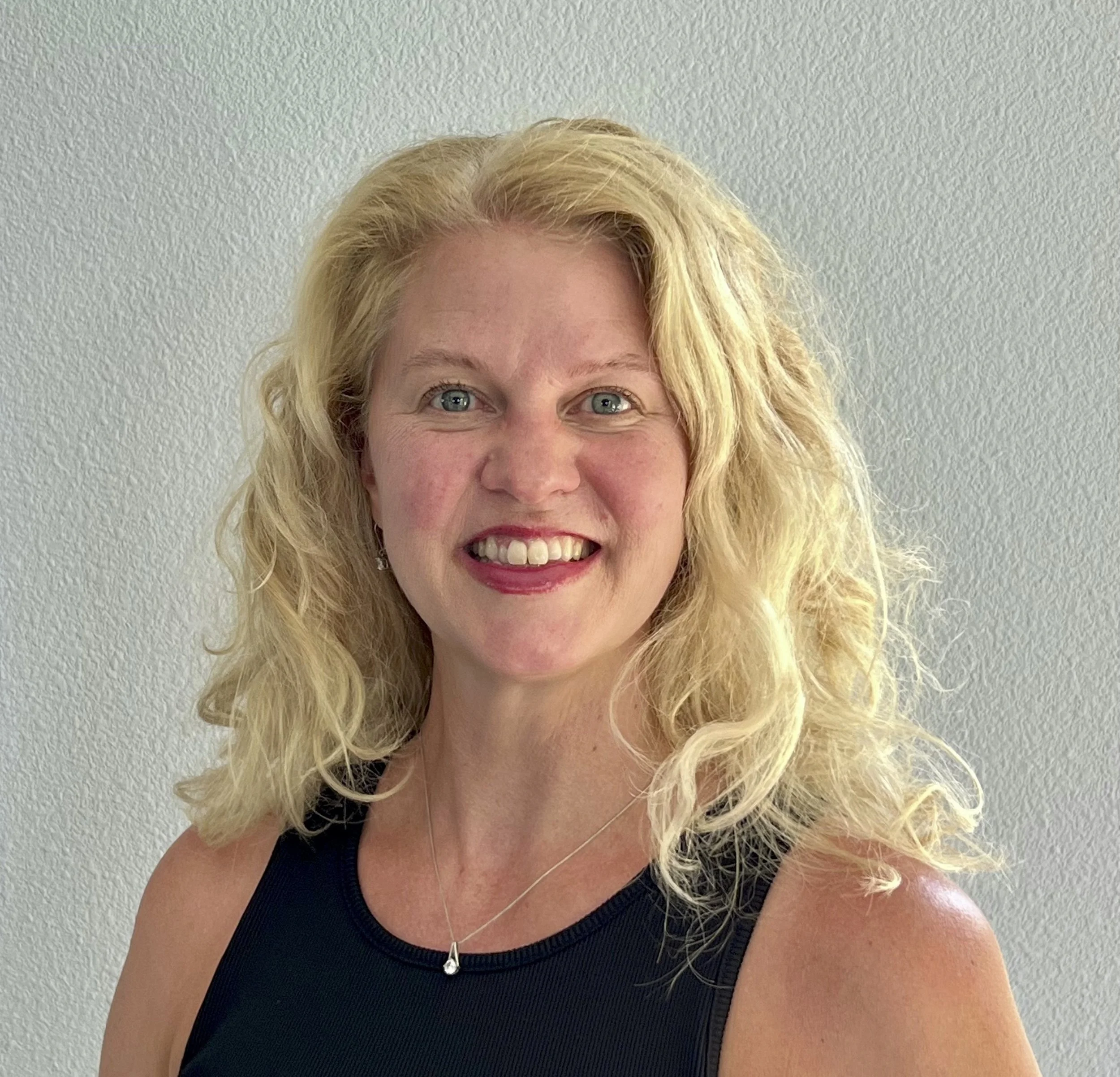
This week, we welcomed our first ACHIEVEability fellow to the BrightHelm crew. We'll introduce her properly in our next post — including more on how we're using AI to support (not replace) the coaching side of onboarding. For now, we just wanted to explain why we said yes to a program that, on paper, looked like it might not be enough time to make a difference.
We think it will be.